Types of Oxygen Concentrators (Home vs Portable) — UK & Europe Buyer’s Guide
Medical Disclaimer
This article is for informational purposes only and does not replace professional medical advice. Always consult a qualified healthcare provider before starting or changing oxygen therapy.
In recent years, oxygen concentrators have become essential medical devices for people with respiratory conditions such as COPD, asthma, pulmonary fibrosis, and COVID-19 recovery. Whether you need one for home therapy, travel use, or continuous overnight support, understanding the different types is critical to choosing the right model.
In this guide, we break down the main types of oxygen concentrators, key features to consider, and where you can purchase quality units in the UK and Europe.
🌬 What is an Oxygen Concentrator?
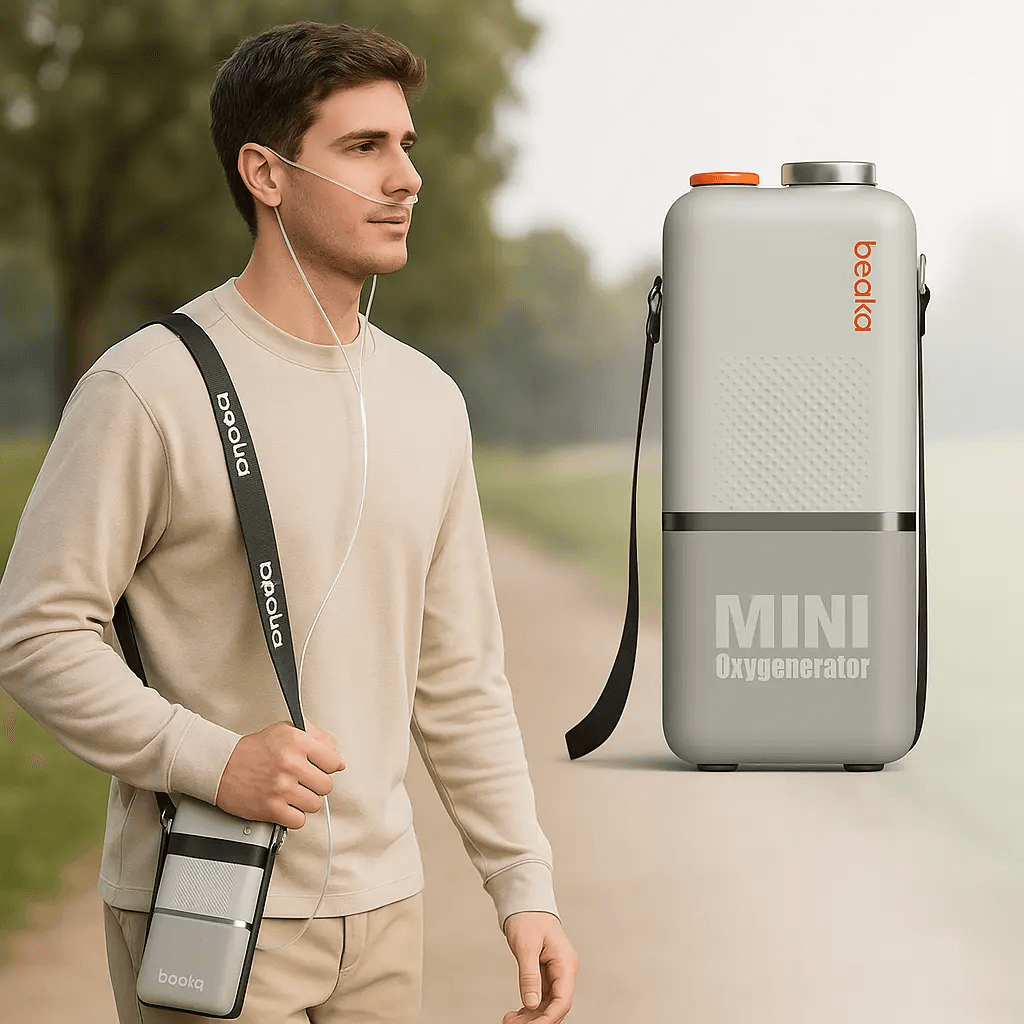
An oxygen concentrator is a machine that extracts oxygen from ambient air and delivers it to the user through a nasal cannula or mask. Unlike oxygen tanks, concentrators provide a continuous supply without the need for heavy cylinders or frequent refills.
1. Stationary (Home) Oxygen Concentrators
🔎 Best For:
- Long-term oxygen therapy
- Overnight use
- Patients who require higher oxygen flow
👉 Key Features:
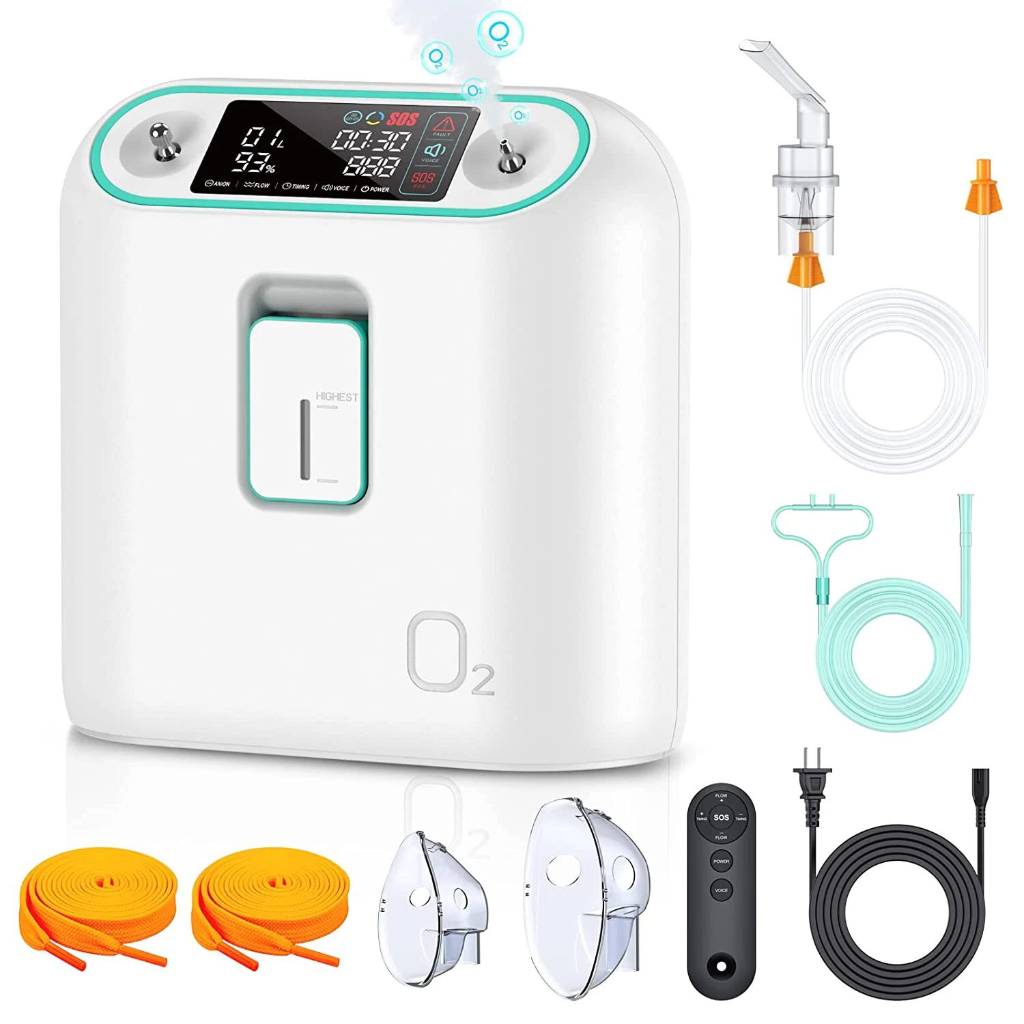
- Higher flow rates (typically 5–10 LPM)
- Reliable continuous operation
- Larger and heavier than portable units
These are ideal for people who spend most of their time at home. Stationary oxygen concentrators are powerful, dependable, and designed for sustained use.
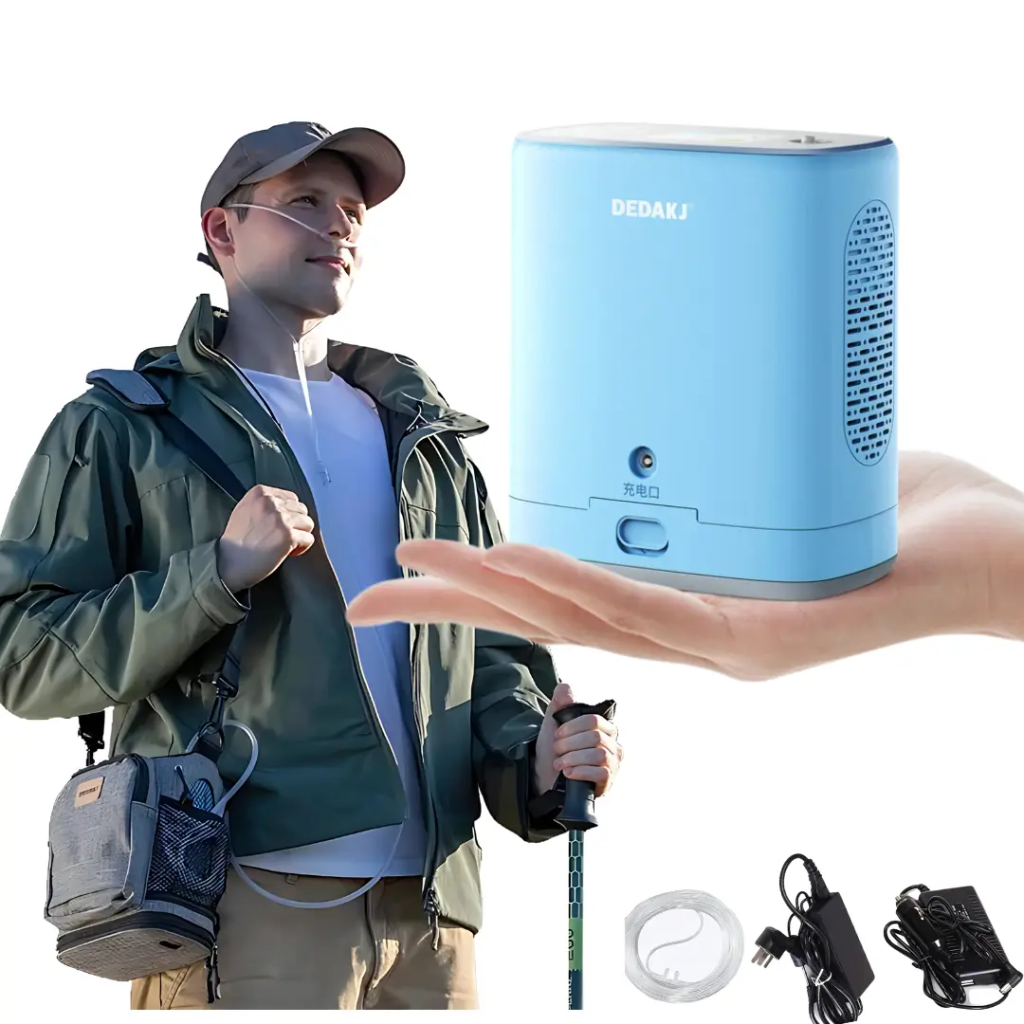
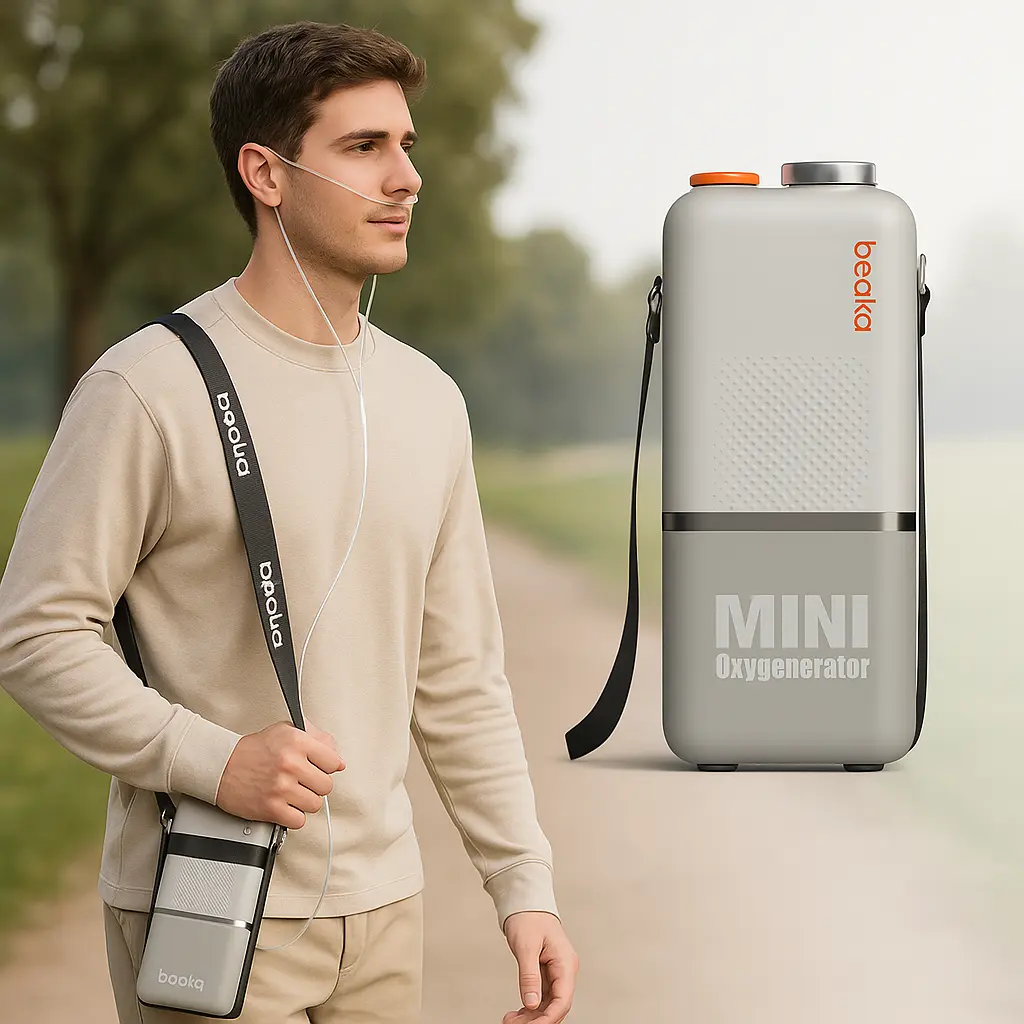
2. Portable Oxygen Concentrators (POCs)
🔎 Best For:
- Travel and mobility
- Active users
- Short trips outside
👉 Key Features:
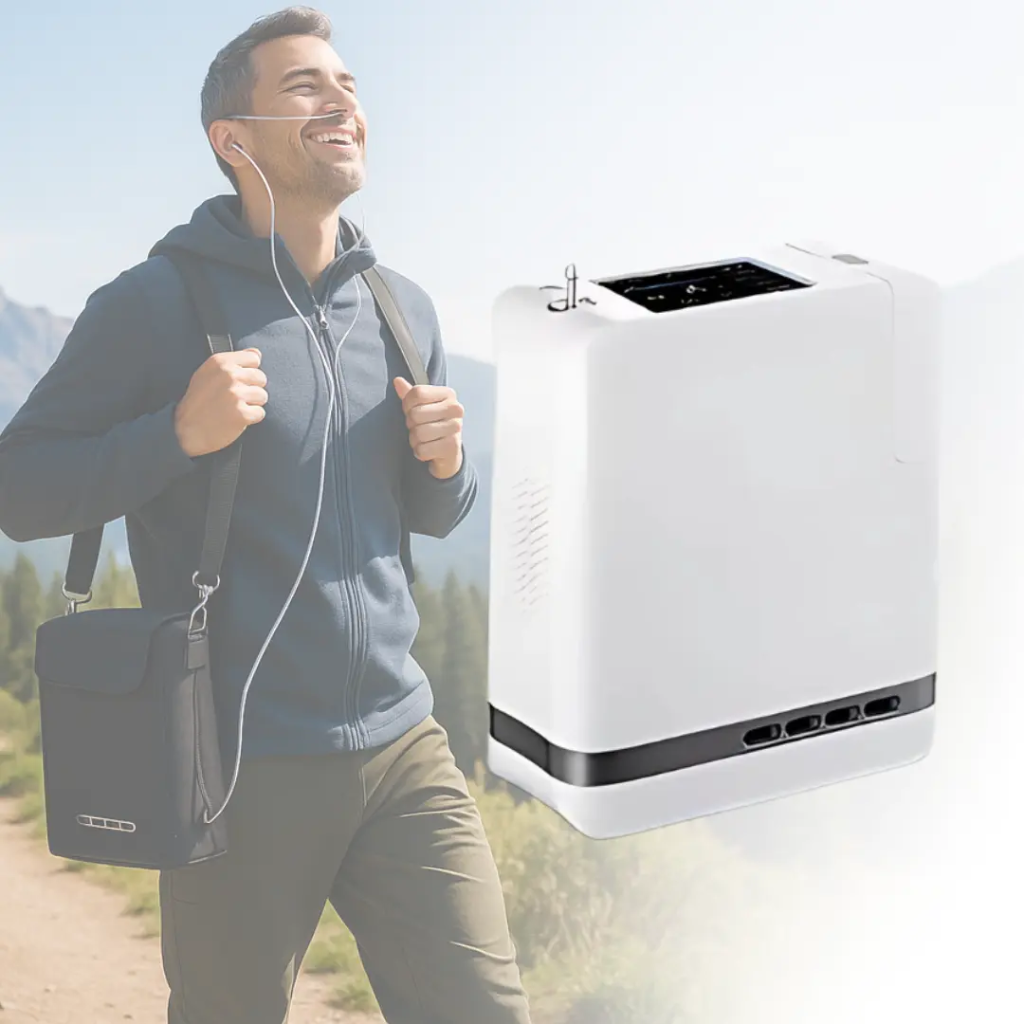
- Lightweight and battery-operated
- Often FAA-approved for air travel
- Lower flow rates than home units (pulse mode)
Portable oxygen concentrators are perfect for users who want freedom without sacrificing oxygen support. They typically deliver oxygen in a pulse dose rather than continuous flow, which is efficient for ambulatory use.
3. Continuous Flow Oxygen Concentrators
🔎 Best For:
- Higher oxygen requirements
- Patients with severe respiratory conditions
👉 Key Features:
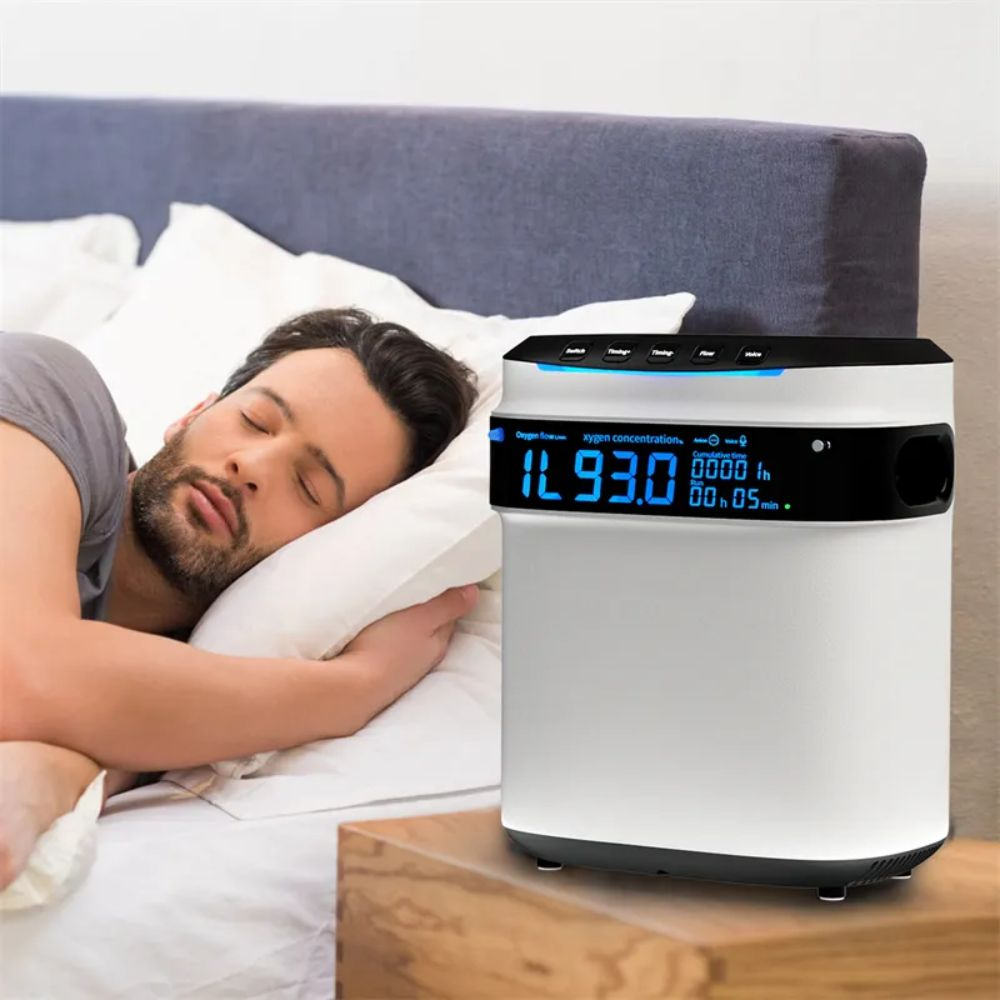
- Delivers a constant flow of oxygen (LPM)
- Suitable for nighttime use
- Generally larger and more powerful
Continuous flow is crucial for users who need steady oxygen levels around the clock, including while sleeping. Not all portable models offer true continuous flow, so check specifications carefully.
4. Pulse Dose Oxygen Concentrators
🔎 Best For:
- Mobility and everyday activities
- Users with mild to moderate oxygen needs
👉 Key Features:
- Delivers oxygen during inhalation
- More power-efficient than continuous flow
- Smaller battery footprint
Pulse dose systems are ideal for people whose prescriptions allow this mode. They extend battery life and reduce weight, making them excellent travel companions.
🧠 How to Choose the Right Type
Here are key considerations before you buy:
📌 Medical Guidance & Prescriptions
According to the NHS in the UK, home oxygen therapy should be prescribed by a qualified healthcare professional. It is recommended for people whose blood oxygen levels are persistently low due to chronic respiratory or cardiac conditions (Source: Leeds Community Healthcare).
Guidelines from the American Thoracic Society (ATS) also emphasize that oxygen prescription and delivery should be tailored to individual patient needs by clinicians. Oxygen is a medical therapy that requires professional assessment and ongoing monitoring.
➤ Oxygen Prescription
Always follow your healthcare provider’s oxygen prescription. Some patients require continuous flow, while others do well with pulse dose delivery.
➤ Mobility Needs
If you’re often outside the home, a portable model may be best. For primarily home use, a stationary concentrator is more powerful and cost-effective.
➤ Battery Life
For travel and mobility, check battery specs — longer battery life means more independence.
➤ Noise Levels
Home units can be louder than portable devices. If noise is a concern, look for low-decibel models.
❓ Frequently Asked Questions
Is a prescription required for an oxygen concentrator in the UK?
Is pulse dose oxygen safe for sleeping?
How many liters per minute (LPM) do I need?
Can I travel by plane with a portable oxygen concentrator?
🛒 UK & Europe Oxygen Concentrator Vendors
When purchasing medical equipment, quality and reliable support are essential. Here are two trusted sources:
🇬🇧 UK & European Supplier — Broxtal
Broxtal offers a broad range of health and wellness products, including top-quality oxygen concentrators designed for home and travel use:
➡️ Visit Broxtal Respiratory Care
Their catalog includes both stationary and portable models suitable for varied patient needs.
🌍 European Health & Wellness Supplier — Brivelle
Brivelle offers a curated selection of health and wellness products across Europe. Their product range includes devices and accessories related to respiratory care and oxygen therapy:
➡️ Visit Brivelle Health & Wellness
This vendor is ideal for customers in the UK and Europe looking for trusted equipment with local support.
🧾 Final Thoughts
Choosing the right oxygen concentrator is a decision that affects your comfort, mobility, and health. Whether you need a powerful stationary machine for home therapy or a lightweight portable unit for travel, understanding the different types helps you make an informed choice.
👉 Visit Broxtal and Brivelle to compare models and find a device that suits your lifestyle and oxygen needs.
Reviewed by: Respiratory health content team at Better HealthBeat.
Based on guidelines from European respiratory health authorities.