Curcumin: The Golden Spice Science Is Raving About
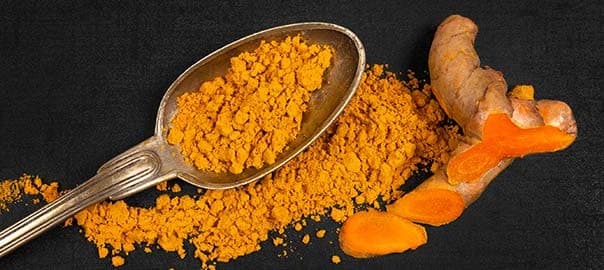
Turmeric has been a staple of Ayurvedic medicine for thousands of years. But in the last decade, modern science has finally caught up. The active compound that gives turmeric its vibrant yellow colour—Curcumin—is now one of the most researched natural substances on the planet.
At Better Health Beat, we separate the hype from the health benefits. Here is why this golden spice deserves a place in your wellness toolkit.
The Inflammation Quencher
Chronic, low-level inflammation plays a major role in almost every chronic Western disease, including heart disease, cancer, and arthritis. Curcumin is strongly anti-inflammatory. In fact, it is so powerful that it matches the effectiveness of some anti-inflammatory drugs, without the side effects.
It works by blocking NF-kB, a molecule that travels into the nuclei of your cells and turns on genes related to inflammation. In short, it fights inflammation at the molecular level.
Brain-Boosting Potential
Curcumin boosts levels of the brain hormone BDNF (Brain-Derived Neurotrophic Factor), which increases the growth of new neurons and fights various degenerative processes in your brain. This makes it a promising area of research for depression and Alzheimer's disease prevention.
The Absorption Problem
There is a catch: Curcumin is poorly absorbed into the bloodstream. If you just eat turmeric powder, most of it passes straight through you.
The Solution: To get the benefits, you need to enhance absorption:
- Black Pepper: Contains piperine, a natural substance that enhances the absorption of curcumin by 2,000%.
- Liposomes: Some advanced supplements wrap the curcumin in fat (liposomes), allowing it to bypass digestion and enter cells directly.
Editorial Summary
The power: A potent natural anti-inflammatory that rivals some pharmaceuticals.
The promise: Emerging research suggests strong benefits for brain health and mood.
The trick: Always consume with black pepper or fat to ensure your body can actually use it.