Back Pain & Diet: The Hidden Inflammatory Link
Low back pain (LBP) is the leading cause of disability worldwide, affecting millions of lives and costing billions in healthcare. For 90% of sufferers, the pain is 'non-specific'—meaning there’s no clear structural cause like a fracture or tumor. But what if the root cause isn't just in your spine, but on your plate?
At Better Health Beat, we explore the emerging science linking what we eat to how we feel. In the case of chronic back pain, the connection may be inflammation.
The Inflammation Connection
Traditionally, back pain is viewed as a mechanical issue—lift something heavy, hurt your back. However, epidemiological research has shown a strong correlation between the prevalence of low back pain and 'Western' lifestyles, which are often characterized by high-calorie, low-nutrient diets.
Obesity is a well-established risk factor for LBP, but not just because of the extra weight. Adipose tissue (body fat) is biologically active; it produces pro-inflammatory messengers like C-reactive protein (CRP) and Interleukin-6. These molecules don't just stay in fat cells—they circulate systematically, potentially lowering your pain threshold and making your nerves more sensitive to 'nociception' (pain signals).
The Role of Diet in Pain Perception
Pain is complex. It's not just a signal from a damaged tissue; it's a decision made by the brain. This process can be influenced by your body's overall inflammatory state. Several key nutrients and dietary factors play a role in calming this system:
- Magnesium: Often called 'nature's relaxant,' magnesium blocks specific pain receptors (NMDA receptors) in the nervous system. A deficiency can lead to 'substance P' release, a neurotransmitter that amplifies pain. Yet, nearly 70% of adults consume less than the recommended daily allowance.
- Vitamin D: Chronic low back pain is frequently associated with low Vitamin D levels. This nutrient is crucial for bone health and immune regulation.
- Antioxidants: Vitamin C and plant phytonutrients help combat oxidative stress, another driver of systemic inflammation.
Adopting the Better Health Beat Anti-Inflammatory Approach
If you are struggling with persistent aches, consider an anti-inflammatory diet as a foundational tool for recovery. This isn't about restriction, but about abundance:
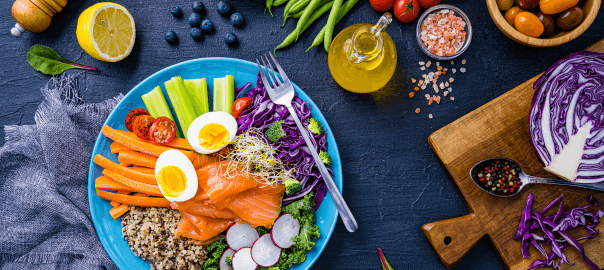
- Eat the Rainbow: diverse fruits and vegetables provide the antioxidants needed to quell systemic inflammation.
- Healthy Fats: Omega-3s from oily fish, flaxseeds, and walnuts counteract the pro-inflammatory effects of processed seed oils.
- Hydration: Your spinal discs are largely water. Keeping well-hydrated ensures they maintain height and shock-absorbing ability.
By lowering systemic inflammation, you may effectively 'turn down the volume' on pain signals, allowing mechanical therapies and exercise to work more effectively.
Editorial Summary
The takeaway: Chronic back pain isn't always just mechanical. Systemic inflammation, driven by poor diet and weight, can sensitize your nervous system to pain.
Key nutrients: Magnesium, Vitamin D, Omega-3s.
Actionable tip: Reduce processed foods and increase leafy greens and oily fish to naturally lower inflammation and support spinal health.
Explore our targeted supplements for joint and muscle health.